

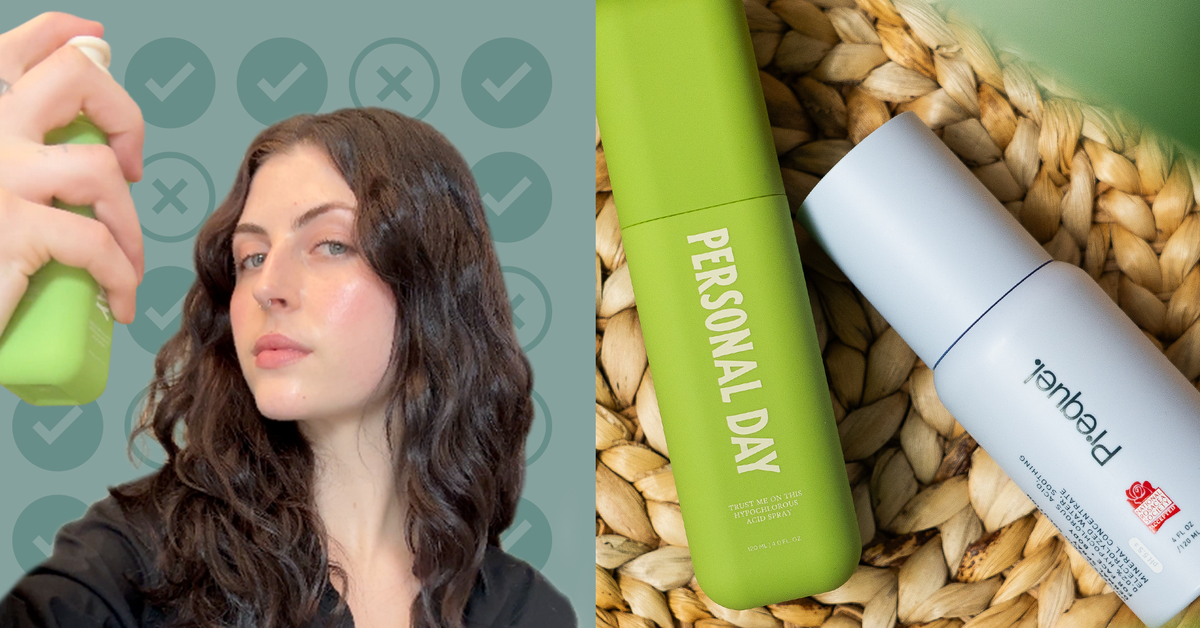
If your skin-care routine is already crowded, adding another mist can sound unnecessary. But hypochlorous acid spray has become popular because it offers antimicrobial activity in a formula that is generally gentle enough for sensitive or irritated skin. Hypochlorous acid, or HOCl, is also produced by immune cells as part of the body’s defense against microbes.
For skin care, HOCl is best viewed as a supportive cleansing and calming step. It may help reduce microbes on the skin surface and can be convenient after sweat, friction, shaving, masks, or exercise. Its medical history in wound cleansing is stronger than the evidence for cosmetic claims involving acne, eczema, or rosacea, so it should not replace established treatments when those are needed.
| Important: Use only an HOCl product labeled for skin or the specific body area you plan to treat. Household bleach and surface disinfectants are not substitutes for a skin-care spray. |
Key Takeaways
- Hypochlorous acid is an antimicrobial compound that the immune system can also produce naturally.
- Skin-care HOCl sprays are commonly used after cleansing, workouts, sweating, or friction.
- HOCl may support acne-prone, eczema-prone, rosacea-prone, or sensitive skin, but it is not a replacement for proven treatment.
- Choose a product clearly labeled for skin use and store it as directed because HOCl can lose activity over time.
- Side effects are usually mild, but stinging, dryness, or irritation can occur.
- Deep wounds, spreading infection, severe eczema, or painful scarring acne need medical care rather than a cosmetic mist.
What Is Hypochlorous Acid Spray?
Hypochlorous acid is a weak acid with antimicrobial properties. White blood cells can generate HOCl during the immune response, where it helps damage invading microorganisms. Manufactured HOCl solutions are created under controlled conditions and are used in wound care, cleansing products, and skin-care sprays.
The ingredient is not new. What is newer is its beauty positioning as a low-concentration facial mist. Because HOCl can degrade with light, heat, air, and pH changes, formulation stability, packaging, expiration date, and storage matter.
How Does Hypochlorous Acid Work on Skin?
HOCl acts as an oxidizing antimicrobial. On skin, that means it can reduce certain bacteria and other microbes on the surface. This helps explain its long-standing interest in wound cleansing and why people now use it after sweat-heavy activities or when frequent washing feels too harsh.
A 2025 systematic review of topical antiseptics in wound care found favorable therapeutic-index results for hypochlorous acid against several common wound bacteria. Read the PubMed-indexed systematic review for the research details.
What Are the Main Skin Benefits?
Reducing surface microbes: HOCl can be useful after sweating, gym sessions, masks, helmets, or other situations where moisture and friction build up.
A gentler feel: Properly formulated HOCl is usually less drying and stingy than alcohol-heavy antiseptic products.
Calming reactive skin: Some people find it helpful for redness or irritation, although the evidence is not strong enough to call it a stand-alone anti-inflammatory treatment.
Convenience: A mist is quick, requires no rinsing, and can bridge the gap until you can properly cleanse the skin.
Can Hypochlorous Acid Spray Help Acne?
It may help as an add-on because it reduces surface microbes and is generally less stripping than stronger antiseptics. This can make it useful after exercise or under sports gear. But acne involves clogged pores, sebum, inflammation, hormones, and follicular changes, so HOCl does not treat every cause.
Benzoyl peroxide, retinoids, salicylic acid, and prescription options have much stronger evidence for acne treatment. For a dermatologist-reviewed explanation of how HOCl may fit into skin care, see Cleveland Clinic guidance on hypochlorous acid.
Can You Use It for Eczema or Sensitive Skin?
HOCl appeals to people with eczema or reactive skin because many formulas are simple and fragrance-free. Reducing surface bacteria may also be useful when the skin barrier is damaged. Still, eczema is an inflammatory disease, so a spray does not replace moisturizer, topical corticosteroids, nonsteroid prescriptions, or systemic treatment when those are appropriate.
If dry, eczema-prone skin is your main concern, Jiff Wellness also explains the difference between supportive moisturizers and actual eczema therapy in its guide to castor oil for eczema.
What About Rosacea and Redness?
A minimalist HOCl spray may feel easier to tolerate than a fragranced toner when skin is hot, sweaty, or reactive. However, persistent rosacea can require treatments such as azelaic acid, ivermectin, metronidazole, oral medicines, or vascular procedures. If redness is persistent or accompanied by eye symptoms, a dermatologist can confirm the diagnosis.
Is Hypochlorous Acid Spray Safe for Daily Use?
For most people using a skin-specific product as directed, HOCl is generally well tolerated. The main caution is that not every product containing HOCl is meant for facial use. Concentration, pH, purity, packaging, and intended use matter. Surface disinfectants should never be repurposed as skin care.
If your skin is extremely reactive, test a small area first. Stop if you develop persistent burning, swelling, itching, or worsening redness.
How Should You Use Hypochlorous Acid Spray?
- Cleanse first when practical so sunscreen, makeup, oil, and debris are removed.
- Mist the skin evenly according to the label. Avoid deliberately inhaling the spray.
- Let it air-dry instead of immediately wiping it away.
- Apply treatment products and moisturizer after it dries.
- Use broad-spectrum SPF 30 or higher during the day.
- After a workout, use HOCl as a temporary freshening step if you cannot wash right away, then cleanse properly when you can.
Where Does It Go in a Skin-Care Routine?
| Step | What to do | Purpose |
| 1. Cleanse | Wash away makeup, sunscreen, oil, and dirt. | HOCl is not a complete cleanser. |
| 2. HOCl mist | Spray as directed and let dry. | Gives the mist direct skin contact. |
| 3. Treatments | Apply acne, rosacea, or other treatments. | Keeps evidence-based care central. |
| 4. Moisturizer | Use if needed. | Supports the skin barrier. |
| 5. Sunscreen | Apply SPF 30+ in the morning. | HOCl does not protect against UV damage. |
Can You Layer It With Vitamin C or Retinoids?
HOCl is reactive, so do not mix it directly in your hand with another active ingredient. A practical approach is to apply the spray first, let it dry, and then continue with the rest of your routine unless the product label or your dermatologist says otherwise.
Research on every possible cosmetic combination is limited. If you use an easily oxidized antioxidant such as vitamin C and want to be cautious, separate the products by time of day or let the HOCl dry fully before applying the antioxidant.
What Should You Look for When Buying a Spray?
- Clear labeling for skin or facial use.
- A short ingredient list, especially if you have sensitive skin.
- No unnecessary fragrance if irritation is a concern.
- Clear storage instructions and an expiration date.
- Packaging designed to protect product stability.
- No exaggerated claims that the spray cures acne, eczema, rosacea, or infection.
Is Hypochlorous Acid the Same as Bleach?
No. Skin-care hypochlorous acid is not the same as using household sodium hypochlorite bleach on the face. Household bleach is more alkaline and irritating and is formulated for cleaning or disinfection. Do not make a facial mist by casually diluting household bleach.
When Should You See a Dermatologist Instead?
- A rash is spreading quickly, painful, or draining pus.
- Eczema is severe, weeping, infected, or disrupting sleep.
- Acne is deep, painful, or leaving scars.
- Facial redness is persistent or accompanied by eye irritation.
- A wound is deep, contaminated, not healing, or caused by an animal or human bite.
- You develop facial swelling, hives, or breathing symptoms after using a product.
Common Questions About Hypochlorous Acid Spray
Can I use hypochlorous acid spray every day?
Many skin-specific formulas are designed for daily use. Follow the label and reduce use if you notice dryness or stinging.
Do I rinse it off?
Usually no. Facial sprays are commonly left on to air-dry, but wound-cleansing products may have different directions.
Can it replace face wash?
Not completely. It does not remove makeup, sunscreen, excess oil, and debris as effectively as a cleanser.
Does it cure acne?
No. It can support an acne routine, especially after sweating, but it does not replace proven acne treatment.
Is it good after the gym?
Yes, this is one of its most practical uses when immediate cleansing is not available.
Does HOCl expire?
Yes. It can lose activity over time, so follow storage instructions and the expiration date.
The Bottom Line
Hypochlorous acid spray has legitimate antimicrobial and wound-care roots, and a well-formulated facial spray can be a gentle, convenient addition to a routine. Its strongest everyday role is as a supportive step after sweat, friction, or irritation, especially when harsh cleansing would make the skin feel worse.
What it should not be is a replacement for proven treatment. Acne, eczema, and rosacea often involve mechanisms that an antimicrobial mist cannot fully address. Choose a product specifically labeled for skin, store it correctly, and stop if irritation develops.
For more U.S.-focused health and skin-care reading, browse the Jiff Wellness Health & Wellness library.